;%20?>)
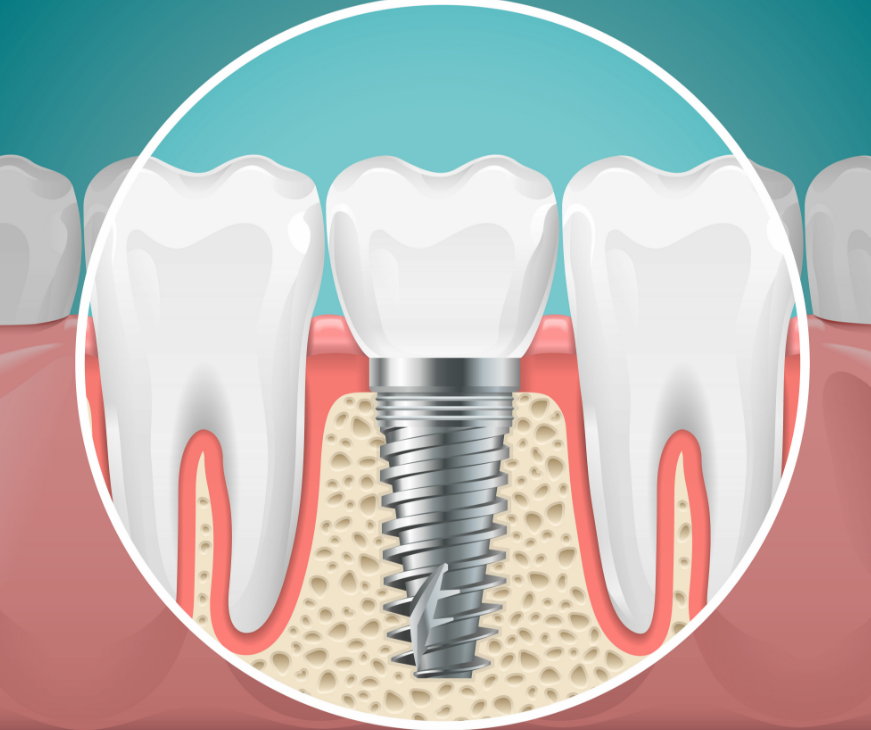
Dental implants are one of the most reliable and long-lasting solutions for replacing missing teeth, but it’s completely normal to have questions about what recovery will be like after surgery. Knowing what to expect can help you feel more confident, prepared, and comfortable as you begin the healing process.
Here are answers to some of the most common post-operative questions patients have following dental implant placement.
How Much Discomfort Is Normal After Surgery?
Some soreness, swelling, and tenderness near the implant site are normal during the first few days after surgery. Most patients describe the sensation as mild to moderate and notice that discomfort gradually improves over time. Your dentist or oral surgeon may recommend over-the-counter pain relief or prescribe medication as needed to help manage symptoms.
Swelling often peaks within 48 to 72 hours, then slowly begins to subside. Applying a cold compress in short intervals and keeping your head elevated during rest can help reduce swelling and promote more comfortable healing.
When Can I Eat Normally Again?
Immediately after surgery, patients are usually advised to stick to softer foods and avoid chewing directly on the implant site. Smooth foods such as yogurt, mashed potatoes, pasta, eggs, or soups are typically easier to tolerate during the early healing period.
As tenderness decreases, you will gradually be able to reintroduce firmer foods, but it’s important to follow your provider’s recommendations and avoid hard, crunchy, or sticky foods that may place stress on the implant. Chewing slowly and favoring the opposite side of your mouth can also help protect the surgical area.
Is Bleeding or Oozing Normal?
Minor bleeding or light oozing from the implant site can occur within the first several hours after surgery. Your care team may recommend gently biting on gauze to help control bleeding. Heavy or persistent bleeding is not typical and should be reported to your provider right away.
You should also avoid spitting, drinking through a straw, or rinsing vigorously during the initial healing period, as suction and pressure can interfere with proper clot formation.
When Can I Resume Normal Activities?
Most patients are able to return to light daily activities within a day or two. However, strenuous exercise, heavy lifting, or activities that raise blood pressure may increase swelling or bleeding and are generally best avoided for several days unless your provider instructs otherwise.
Listening to your body, moving slowly, and allowing yourself time to rest will support a smoother recovery.
How Long Does It Take for the Implant to Fully Heal?
While most early healing occurs within the first couple of weeks, the deeper process of the implant bonding with the jawbone takes several months. This stage, known as osseointegration, is what allows the implant to become strong and stable enough to support a crown, bridge, or denture.
Your dentist will schedule follow-up visits to monitor progress and determine the right time to place your final restoration.
Every patient’s recovery experience is unique, but having clear guidance and support makes the healing process more comfortable and reassuring.
About the Practice
Dr. Rosen delivers comprehensive restorative, implant, and preventive dental care in a welcoming, patient-focused environment. At Rosen Dental, we provide detailed treatment planning, attentive post-operative guidance, and ongoing follow-up care to support healthy healing and long-term implant success. Through compassionate communication and modern clinical techniques, our team helps patients restore strong, confident smiles with comfort and peace of mind.
Call us at (773) 248-6140 or request an appointment online.